Introduction
Installing hardwood floorings can significantly enhance the beauty and worth of your home. However, the process is not without its challenges. Many home owners make mistakes that can cause costly repair work or unacceptable results. In this https://penzu.com/p/8ba642b84a13cb9b detailed overview, we'll check out hardwood flooring installation errors to avoid, making use of expert insights to aid you browse the procedure smoothly.
Why Pick Wood Flooring?
Before diving right into common risks, it's necessary to understand why hardwood flooring is a prominent option for numerous home owners. Not only does it provide a cozy and inviting environment, but wood floorings are also long lasting and easy to maintain. They can last for decades with correct care and refinishing, making them a beneficial investment.
Hardwood Floor Setup Errors to Prevent: Specialist Insights
1. Neglecting Acclimation Periods
What Is Acclimation?
Acclimation is the process of enabling wood slabs to adjust to the temperature level and moisture of your home prior to installation. Failing to do this can result in warping or buckling over time.
How Long Needs to You Acclimate?
Generally, it's suggested to let your hardwood floor covering adapt for at the very least 2 days. During this time, maintain the boxes of flooring open in the area where they'll be installed.
2. Choosing the Wrong Underlayment
Why Is Underlayment Important?
The underlayment gives supporting and insulation for your hardwood floorings. It also assists with audio absorption and dampness control.
Types of Underlayment Materials
- Foam Cork Felt
Each type offers different purposes, so pick sensibly based on your details needs.
3. Avoiding Moisture Testing
Do I Really Need To Check For Moisture?
Absolutely! Wetness can wreak havoc on wood floors if not addressed upfront. Utilize a moisture meter to inspect both the subfloor and hardwood planks before installation.
What Are Acceptable Levels of Moisture?
Generally, you want dampness degrees listed below 12% for concrete subfloors and in between 6%-9% for wood subfloors.
4. Poor Design Planning
Why Is Design Crucial?
A well-planned layout makes certain that your floor looks balanced and visually appealing while additionally permitting all-natural growth and contraction of wood fibers.
Tips for Efficient Format Planning
- Measure the area dimensions. Create a diagram. Consider lighting angles when making a decision plank orientation.
5. Overlooking Development Gaps
What Are Development Gaps?
These are spaces left in between the flooring and walls or other frameworks that enable natural growth because of moisture changes.
How Much Room Do I Need?
Typically, leave about 1/2 inch area along wall surfaces or dealt with objects.
6. Inaccurate Trimming Techniques
What's The very best Way To Cut Wood Planks?
Using a miter saw supplies tidy sides; however, making use of improper methods can bring about jagged cuts that compromise aesthetics.
Tips For Reducing Planks Correctly
- Always gauge two times prior to cutting. Use clamps to maintain planks throughout cutting.
7. Improper Nailing Techniques
Nail Down Vs Staple Down: What's The Difference?
Depending on your subfloor type (concrete vs plywood), you'll need different attachment methods; nailing requires skill while stapling is frequently simpler yet much less secure.
8. Ignoring Subfloor Preparation
Subfloor prep work is crucial; an uneven surface area will trigger concerns down the line such as creaking or irregular wear-and-tear patterns on your new floor!

9. Falling short To Account For Natural Light
Natural light can trigger fading with time; use UV-protective surfaces or think about putting carpets in high sun direct exposure areas!
10. Ruling Out Way Of Life Needs
If you have animals or kids, softer wood kinds may not stand up along with more challenging ranges like oak or maple!
FAQs
1. What devices do I require for hardwood floor installation?
You will typically need a miter saw, measuring tape, hammer, pneumatically-driven nailer/stapler (depending upon approach), crowbar, degree, chalk line, safety and security goggles & & ear protection.
2. Can I mount wood floorings myself?
Yes! Nonetheless, having some fundamental carpentry abilities will certainly assist exceptionally; if uncertain concerning any kind of action-- do not wait to speak with professionals!
3. The length of time does it take to set up wood floors?
Setup typically takes 1-- 3 days depending upon area size & & complexity; redecorating later may include added time as well!
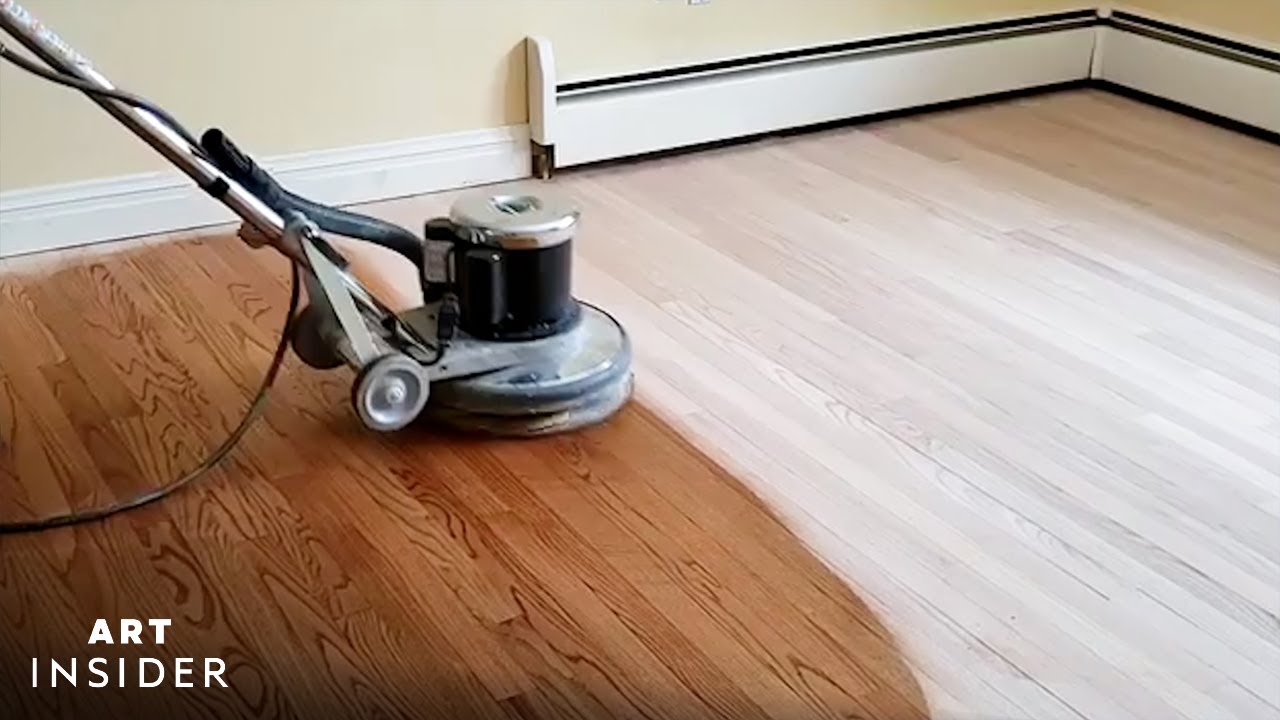
4. What's associated with refinishing hardwood floors?
Redecorating involves sanding down existing coating layers followed by using new stain/color options then securing with safety layer(s).
5. Just how commonly should I redecorate my wood floors?
Every 7-- ten years relying on wear patterns & & use levels; signs like monotony indicate it's time for a refresh!
6. Can I utilize vapor cleaners on my new wood floor?

Conclusion
When installing hardwood floorings in your house, preventing typical mistakes is vital to making certain durability and visual allure. From understanding adjustment periods to picking ideal underlayment materials and preparing designs successfully, each step plays an important function in accomplishing flawless results.
In summary-- take your time during the drawing board! This persistance pays off when it comes time for setup along with future upkeep procedures such as refinishing down the road-- the far better educated you are currently implies less frustrations later!
Armed with these professional insights on hardwood floor setup mistakes, you're ready to tackle this project with confidence-- transforming those dreams of attractive wood floor covering right into reality!